
Liability Insurance in Denver and Other Colorado Cities: How Local Business Needs Can Differ
Operating a company in Colorado comes with incredible opportunities, but it also carries significant and evolving risks. Whether you are running a high-traffic restaurant in the capital or a specialized manufacturing facility down south, protecting your livelihood requires more than an off-the-shelf policy. As business owners, we pour our time, capital, and energy into building something lasting.
The New Reality of Commercial Protection in Colorado
Operating a company in Colorado comes with incredible opportunities, but it also carries significant and evolving risks. Whether you are running a high-traffic restaurant in the heart of the capital or a specialized manufacturing facility down south, protecting your livelihood requires more than a standard, off-the-shelf policy. As business owners, we pour our time, capital, and energy into building something lasting. Yet, a single third-party injury or property damage claim can threaten everything if the right safety nets are not in place.
At The Clement Agency, we have spent more than 18 years navigating these complexities. We know that the risks a commercial contractor faces in a growing suburb are vastly different from those of an established retail shop in a dense downtown corridor. Simply checking a box for liability coverage is no longer enough. The legal and economic landscape in our state has changed drastically, and understanding how your specific location and industry impact your exposure is the first step toward getting your coverage structured right the first time.
The Shifting Terrain of Liability Claims and Costs
To understand why local needs differ, we first need to look at the broader picture of what is happening across our state. Over the past few years, the commercial insurance market has been significantly impacted by a trend known as social inflation. This term refers to the rising costs of insurance claims driven by factors outside of standard economic inflation, such as larger jury awards, aggressive litigation tactics, and shifting public sentiment toward corporate responsibility.
For Colorado business owners, this trend shifted from an abstract concept to a pressing reality following recent legislative changes. On January 1, 2025, House Bill 24-1472 officially took effect, fundamentally altering the state liability environment. This legislation increased the cap on non-economic damages from $250,000 to $1.5 million and raised wrongful death caps to over $2.1 million. Furthermore, these caps are scheduled to adjust for inflation every two years starting in 2028.
What does this mean in practical terms? It means that a standard $1 million per-occurrence policy limit, which has historically been the default starting point for most small businesses, may suddenly leave a massive gap if an accident on your premises results in a severe injury or fatality. If a jury awards a plaintiff $1.5 million in non-economic damages alone, the remaining balance after your policy limit is exhausted comes directly out of your business assets.
In addition to legal changes, medical cost trends and geographic differences push claim costs higher. A slip and fall injury today costs substantially more to treat than it did just five years ago. Because of these severity drivers, underwriters are taking a far more conservative stance on pricing and capacity. They are looking closely at foot traffic, crime scores, amenity risks, and incident documentation. Consequently, a generic approach to commercial coverage simply will not hold up when tested by a major claim. You need an agency that looks at your specific daily operations and builds a customized defense.
How Local Markets Shape Your Coverage Needs
While state laws apply universally, day-to-day risk exposure is intensely local. The physical environment, the prevailing local industries, the density of the population, and the volume of foot traffic all dictate the types of claims a business is most likely to face. Let us explore how these localized factors shape the need for tailored protection across several major Colorado markets.
The Urban Core: Navigating Liability in Denver
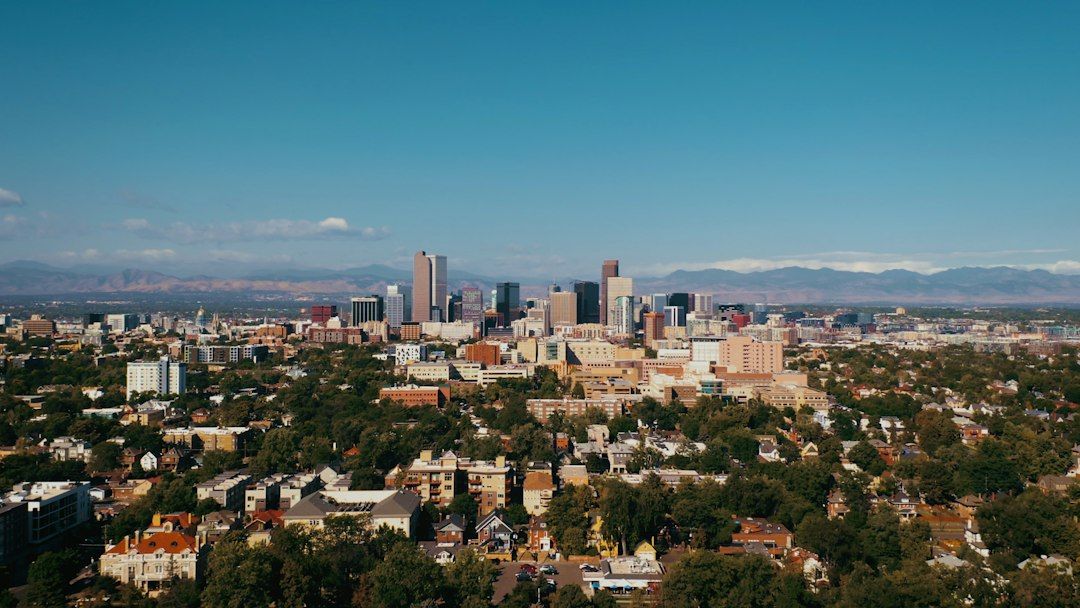
Denver is the economic engine of the state, characterized by high population density, historic building infrastructure, and a heavy concentration of hospitality, professional services, and ongoing construction. When we look at structuring general liability insurance in Denver, CO, we have to account for the sheer volume of daily interactions a business has with the public.
High foot traffic naturally increases the statistical probability of third-party injuries. A restaurant in LoDo or a retail boutique in Cherry Creek faces a constant stream of customers navigating tight spaces, wet floors during winter snowstorms, and potentially uneven historical sidewalks. Because of this, Denver liability insurance is heavily focused on premise liability. A single slip and fall on an icy entryway can trigger a lawsuit that drags on for months.
Furthermore, the dense urban environment means that property damage to a neighboring business is a significant risk. If a fire starts in a commercial kitchen in a shared building, the smoke and water damage can easily spill over into adjacent suites, leaving the business owner liable for massive third-party property damage claims. That is why securing adequate liability insurance in Denver requires a thorough walk-through of your daily operations, lease agreements, and neighboring exposures. Relying on a baseline policy without considering the high cost of urban claims is a major blind spot.
Aurora: Distribution, Trade Contractors, and Expanding Corridors
Just to the east, the landscape shifts. Aurora has seen explosive growth in mixed-use developments, large-scale warehousing, distribution centers, and commercial contracting hubs. The risks here are often more industrial and vehicular in nature.
For the many trade contractors operating out of this area, general liability insurance in Aurora, CO must be structured to address completed operations and job site hazards. If a plumbing contractor installs a pipe that bursts a week later, causing extensive water damage to a newly built commercial facility, their liability policy is what stands between them and financial ruin.
Additionally, Aurora serves as a major logistics hub with heavy commercial vehicle traffic. Businesses here often need to closely integrate their general liability policies with commercial auto coverage and workers' compensation to ensure there are no gaps when employees are moving goods, operating heavy machinery, or navigating busy industrial parks. Underwriters evaluate these risks differently than they do a downtown storefront, focusing heavily on safety protocols, employee training, and equipment maintenance.
Colorado Springs: Manufacturing, Aerospace, and High-Tech Hubs
Colorado Springs presents a completely different economic profile. Often referred to as "Silicon Mountain," the city is home to a booming advanced manufacturing sector, with over 500 manufacturing companies operating in the region. The local economy is deeply tied to aerospace, defense, electronics, and specialized engineering.
When setting up general liability insurance in Colorado Springs, the conversation frequently centers around product liability. If a local machine shop manufactures a specialized component that ultimately fails and causes property damage or bodily injury down the supply chain, the resulting liability claims can be staggering.
These high-tech and manufacturing environments require policies that carefully define what constitutes a product defect versus a professional error. Sometimes, these businesses need to layer their general liability with professional liability or technology errors and omissions coverage to ensure they are fully protected. The presence of large defense contractors also means that local suppliers often have to meet extremely strict insurance requirements and carry higher limit thresholds just to bid on government or corporate contracts.
Parker: Suburban Retail, Professional Services, and Community Growth
In the rapidly growing suburban communities south of the metro area, the business landscape is defined by community-focused enterprises. Parker is characterized by family-owned restaurants, medical offices, local fitness centers, and specialized retail shops.
For these local operators, finding the right business liability insurance in Parker, Colorado means addressing the unique vulnerabilities of a tight-knit community setting. Suburban service businesses often build long-term relationships with their clients, which makes reputational damage following a liability claim just as concerning as the financial cost.
For example, a local fitness center faces exposure regarding equipment malfunction and personal injury, while a suburban landscaping company must protect against accidental property damage to residential homes. These businesses benefit immensely from a hands-on policy review that ensures their specific niche is accurately classified. A misclassification by an online quoting engine can lead to a denied claim when a business needs their coverage the most.
Why a One-Size-Fits-All Approach Leaves You Vulnerable
One of the most common issues we see when reviewing policies for new clients is the reliance on generic Business Owner Policies (often called BOPs) without a true understanding of the embedded sub-limits. A business owner might assume they are fully covered because they have a general liability policy in place, completely unaware that their specific industry requires specialized endorsements.
Consider a local contractor who subcontracts a portion of their work. If their policy includes a strict subcontractor exclusion or requires specific risk transfer documentation that they have not maintained, a claim caused by that subcontractor could be entirely denied.
Likewise, many businesses fail to account for the impact of social inflation on their standard limits. As we noted with the recent increases in statutory damage caps, a $1 million limit is no longer the impenetrable shield it once was. This makes commercial umbrella insurance one of the most cost-efficient and necessary tools available today. An umbrella policy sits on top of your primary general liability, commercial auto, and employer liability limits, providing an additional layer of financial protection. For a relatively low annual premium, a business can add $1 million or $2 million in extra coverage, effectively closing the gap between a standard policy and a worst-case scenario judgment.
Proactive Steps for Colorado Business Owners
Navigating these localized risks and statewide legal changes requires a proactive, educated approach. Rather than treating your insurance renewal as an administrative chore, use it as a strategic opportunity to safeguard your balance sheet. Here are several steps you should take:
First, review your liability limits annually. Work with a professional to evaluate whether your current limits align with today's litigation climate and the new damage caps. If your business has grown, acquired new assets, or expanded its service offerings, your insurance needs to scale accordingly.
Second, strengthen your internal risk management. Insurers are looking for clients who take safety seriously. Documented safety programs, routine maintenance logs, and consistent employee training can demonstrate diligence to underwriters. This not only helps prevent accidents from happening in the first place but can also positively influence your premium costs in a hardening market.
Third, ensure proper risk transfer. If you work with vendors, suppliers, or subcontractors, you must have clear contractual agreements in place that require them to carry their own adequate insurance. You should be collecting up-to-date certificates of insurance and ensuring your business is listed as an additional insured where appropriate.
Finally, partner with an agency that prioritizes education. Choosing a trusted partner in Fort Lupton or anywhere in the state means finding someone who takes the time to explain the fine print. You deserve to know exactly what exclusions exist in your policy before an incident forces a difficult conversation.
The Bottom Line
The commercial landscape in Colorado is vibrant and full of potential, but the liability environment has grown increasingly complex. The risks facing a high-tech manufacturer in Colorado Springs are entirely different from the hazards navigated by a Denver restaurateur or an Aurora logistics firm. Furthermore, statewide increases in liability caps mean that the financial consequences of a major claim are higher than ever before.
Protecting your livelihood requires moving away from generic, click-and-buy insurance solutions. It requires a dedicated review of your daily operations, your physical location, and your long-term goals. By understanding how your local market shapes your risk and actively managing your exposures, you can build a resilient foundation for your business to thrive for years to come.
Protect What Matters Most
If you want your home or business coverage structured right the first time, reach out to The Clement Agency in Fort Lupton for a hands-on policy review and clear explanation of what you are actually buying. We take pride in helping our clients navigate the nuances of commercial insurance strategies, ensuring you have the localized, robust protection you actually need.
Call or request a quote today, and Shane Clement’s team will help you uncover gaps, compare options across carriers, and put the protection in place with confidence. We believe in building long-term relationships rooted in trust, and we are ready to help you protect the business you have worked so hard to build. Please do not hesitate to contact us to schedule a comprehensive review of your current policies.
By Shane Clement & Team