
Specialty Insurance in Colorado: Flood, Rental Property, RV, Boat, ATV, and Trailer Coverage
Colorado is known for its rugged landscapes, vibrant outdoor lifestyle, and dynamic local economies. Whether you spend your weekends towing a travel trailer to a remote campsite, cruising on local reservoirs, or managing a growing portfolio of real estate investments, this state offers unique opportunities—and unique risks.
The Reality of Specialty Insurance in Colorado
Colorado is known for its rugged landscapes, vibrant outdoor lifestyle, and dynamic local economies. Whether you spend your weekends towing a travel trailer to a remote campsite, cruising on local reservoirs, or managing a growing portfolio of real estate investments, this state offers unique opportunities. However, with those opportunities come unique risks. If there is one lesson we have learned over 18 years in the insurance industry, it is that standard, off-the-shelf policies simply do not account for everything.
Many people assume their primary homeowners or auto policies will stretch to cover all their assets. That is a common and potentially costly misconception. A standard home policy is designed for a primary residence, while a standard auto policy is built for a commuter vehicle. When you introduce off-road vehicles, recreational vehicles, boats, or tenant-occupied properties into the mix, you create significant coverage gaps.
At The Clement Agency, our goal is to help you understand exactly what you are buying. We believe in an educational, hands-on approach because discovering a coverage gap after an accident or a natural disaster is the worst possible scenario. Our team takes pride in structuring your protection correctly from the start. In this guide, we will explore the core pillars of specialty insurance in Colorado, explaining why each type of coverage is necessary and how to ensure your lifestyle and investments remain fully protected.
Understanding the Necessity of Flood Insurance
When you think of natural disasters in Colorado, wildfires and hail storms might be the first events that come to mind. However, water damage from rising surface water is a massive and frequently overlooked threat. It is a fundamental rule of insurance that standard homeowners coverage explicitly excludes damage caused by floods. Your home policy might cover a burst pipe, but if a nearby creek overflows or a severe spring rainstorm causes water to pool and breach your foundation, you are completely on your own without a dedicated flood policy.
Colorado experiences unique weather patterns that increase our flood risk. The combination of dense winter snowpack and rapid spring warming can lead to intense runoff. Additionally, the Front Range is highly susceptible to sudden flash floods caused by slow moving thunderstorms dropping large volumes of water over a very short period. According to the Colorado State Hazard Mitigation Plan, between 20 and 30 large magnitude floods occur in the state every single year.
A critical detail about flood insurance is the mandatory waiting period. If you purchase a policy through the National Flood Insurance Program, there is typically a 30 day waiting period before the coverage takes effect. You cannot wait until a heavy storm is in the forecast to protect your property. Furthermore, you do not have to live in a high risk FEMA flood zone to need this protection. A significant portion of all flood claims come from moderate to low risk zones. Whether you opt for a federally backed policy or explore private flood insurance options, securing this coverage is a vital step for safeguarding your home or business property.
Protecting Real Estate Investments with Rental Property Insurance
Real estate continues to be a popular investment strategy across the state, but being a landlord involves unique liabilities. A standard homeowners policy is strictly for a property occupied by the owner. If you rent out a home, a condo, or a townhome to tenants, you must transition to rental property insurance, frequently referred to as a landlord policy.
The rental market in Colorado frequently shifts. In recent data from late 2025 and early 2026, certain areas in the Denver metro region saw vacancy rates climb to around 7 percent, meaning that units were sitting empty for longer periods between tenants. This market dynamic directly affects your insurance needs. When a property sits vacant, the risk of undiscovered damage increases. A slow plumbing leak or a broken furnace during a winter freeze can cause catastrophic damage if no one is living there to report the problem. Standard policies often significantly reduce or eliminate coverage if a property is vacant for more than 30 or 60 days. An expert agent will help you navigate vacancy clauses and ensure you remain protected during tenant transitions.
Beyond property damage, rental property insurance provides two other critical layers of protection. First, it offers landlord liability coverage. If a tenant or their guest trips on a loose floorboard or slips on an icy walkway, you could be held legally responsible for their medical bills and your own legal defense. Second, it can provide loss of rental income coverage. If a covered peril, such as a severe fire, makes the home uninhabitable, this coverage helps replace the rental income you would have collected while the property is being rebuilt. We always recommend that landlords also require their tenants to carry separate renters insurance, which protects the tenant's personal belongings and adds an extra layer of liability protection that benefits everyone involved.
RV Insurance for the Open Road
Colorado is a premier destination for road trips, and residents here embrace the recreational vehicle lifestyle enthusiastically. Interestingly, the demographics of RV owners are shifting dramatically. According to recent data from the RV Industry Association, the median age of an RV owner has dropped to 49, and the average owner now spends roughly 30 days a year on the road. Families are using RVs as mobile remote offices, homeschooling bases, and weekend adventure hubs.
With more time spent on the road, the risks naturally increase. Many new owners mistakenly believe that their standard auto insurance provides complete coverage for their motorhome or travel trailer. While it is true that your auto liability coverage typically extends to a trailer while it is hitched to your insured truck, that is where the protection ends. If a tree branch falls on your parked trailer at a campsite, or if your motorhome is broken into while parked at a national park, your standard auto policy will not help you repair the physical damage or replace your stolen gear.
Dedicated RV insurance addresses the unique nature of these vehicles. They are essentially houses on wheels. A proper policy will include comprehensive and collision coverage for the vehicle itself, but it should also feature specialized endorsements. Personal effects coverage protects the laptops, camping gear, and expensive equipment you keep inside. Campsite liability is another crucial feature. If a fellow camper trips over your customized awning tie downs or your outdoor fire pit setup, campsite liability protects you from the resulting medical or legal claims. For those who invest heavily in their rigs, total loss replacement options can ensure that if a brand new RV is destroyed in its first few years, you receive the funds to buy a comparable new model rather than a depreciated cash value.
Trailer Coverage for Utility and Travel
Beyond large recreational vehicles, Colorado roads are filled with utility trailers, horse trailers, and small pop up campers. Trailer coverage is a frequently misunderstood area of specialty insurance. Because a trailer has no engine, owners often assume it requires no independent thought.
However, utility trailers carry expensive tools, recreational toys, and livestock. If your trailer sways and flips on a steep mountain pass, replacing the trailer itself can cost thousands of dollars. More importantly, you need to consider what is inside. Proper specialty coverage can be structured to protect the trailer for its physical value while also evaluating the need for inland marine coverage or specific cargo policies to protect the expensive items you are hauling.
Whether you use a trailer for your small landscaping business or for hauling dirt bikes to the Western Slope, taking the time to review the physical damage limits and the usage classification with an experienced agent ensures you will not be left paying out of pocket for a mangled chassis and destroyed cargo.
Safeguarding Your Time on the Water with Boat Coverage
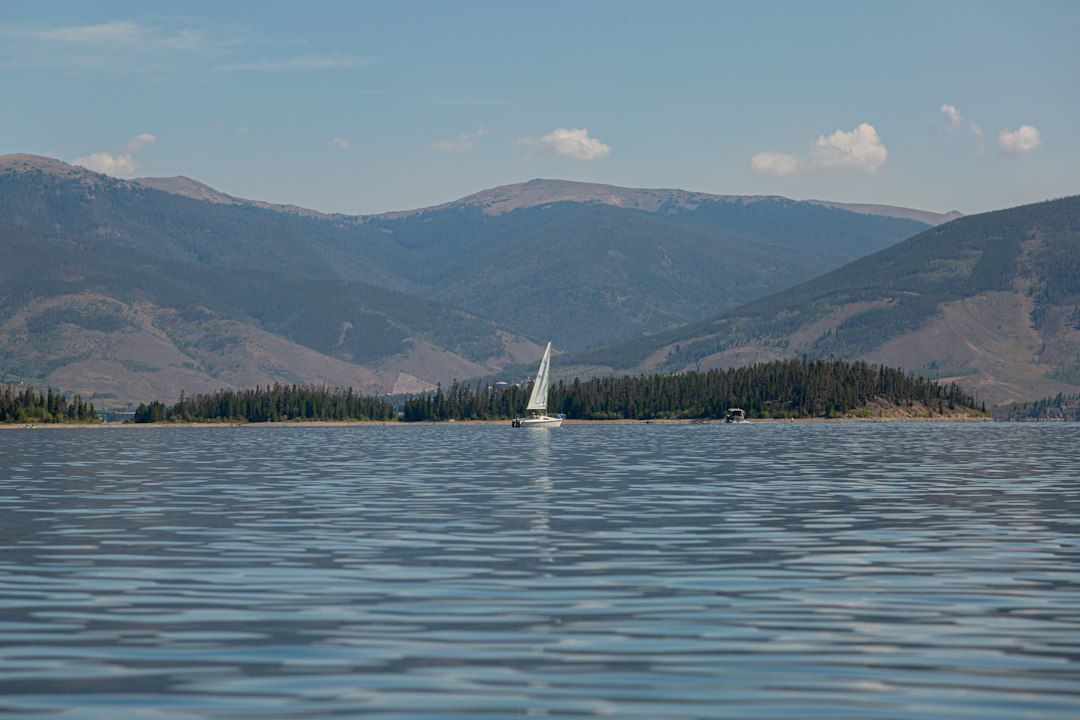
Colorado may be landlocked, but our reservoirs and lakes see intense boating activity from spring through early fall. From sleek wakeboarding boats to pontoon boats and personal watercraft, spending time on the water is a major investment.
Standard homeowners policies provide incredibly limited marine coverage. They might cover a small canoe or a low horsepower dinghy for a nominal amount, but they will not adequately protect a modern motorboat. Boat coverage is specifically designed for the unique perils of the water.
One of the most important aspects of boat insurance is marine liability. If you accidentally collide with another vessel or a dock, or if a skier behind your boat is injured, marine liability covers the extensive costs associated with bodily injury and property damage. Furthermore, many boaters overlook the risk of uninsured boaters. Just like on the highway, not everyone on the lake carries adequate insurance. Uninsured watercraft coverage ensures that if someone else crashes into you and lacks the funds to pay for your damages, your own policy will step in.
We also have to consider the environment. If your boat sinks, the environmental cleanup for spilled fuel and the physical wreck removal can be incredibly expensive. A solid boat policy includes provisions for wreck removal and fuel spill liability. Finally, because Colorado experiences harsh freezing temperatures, discussing winter storage and proper winterization requirements with your agent is critical. If an engine block cracks because it was not properly winterized, your policy might exclude the damage unless specific conditions were met. We help you understand these exact terms so there are no surprises in the spring.
ATV Insurance and Off-Road Vehicle Protection
Off highway vehicles, including ATVs, UTVs, and side by sides, are central to the Colorado outdoor experience. They are used for hunting, trail riding, and maintaining large properties. Unfortunately, the thrill of off roading comes with substantial physical risk. Recent data from the Consumer Product Safety Commission shows dozens of fatal off highway vehicle incidents occur in Colorado over rolling three year periods, alongside thousands of severe injuries.
Accidents happen on steep, uneven terrain, and rollovers are common. Many people assume their health insurance will simply cover any injuries, but relying solely on medical insurance leaves massive financial gaps, especially regarding property damage and liability. If you let a friend borrow your UTV and they accidentally roll it down an embankment, who pays for the destroyed vehicle? If they are injured, who pays for their lost wages and extended recovery?
ATV insurance functions similarly to motorcycle or auto insurance but is tailored to off road risks. It provides collision coverage for the vehicle itself, which is crucial given how expensive modern side by sides have become. It also provides comprehensive coverage, protecting the vehicle against theft, vandalism, or a garage fire. Most importantly, it offers bodily injury and property damage liability. If you accidentally damage someone else's property or injure a passenger on a trail, this liability coverage shields your personal assets from lawsuits. Additionally, many owners spend thousands of dollars on custom parts, such as upgraded suspensions, light bars, and heavy duty winches. A specialized policy allows you to schedule these custom parts so their full value is reimbursed in the event of a total loss.
Expert Insights from 18 Years in the Industry
At The Clement Agency, our approach is rooted in more than 18 years of direct industry experience. We have seen firsthand what happens when consumers rely on cut rate, automated internet quotes for their most valuable assets. An algorithm might give you a cheap price, but it will not sit down with you to ask how you use your equipment, who has access to it, or whether your property is sitting vacant.
One of the most common mistakes we see is the fragmented approach to insurance. A consumer might have their home insured with one carrier, their auto with another, and their boat with a completely different online provider. This fragmentation almost guarantees coverage gaps and prevents you from taking advantage of multi policy discounts. More importantly, it makes it incredibly difficult to secure a personal umbrella policy.
An umbrella policy is a master layer of liability protection that sits above your underlying home, auto, and specialty policies. In an increasingly litigious society, a serious accident involving an ATV or a rental property can easily result in a lawsuit that exhausts the standard limits of a primary policy. An umbrella policy provides an extra million dollars or more in liability protection, ensuring your retirement savings, primary home, and future earnings are shielded from catastrophic lawsuits. Coordinating your specialty insurance under one knowledgeable agency allows us to perfectly align your underlying limits with an umbrella policy, creating a seamless safety net.
We take a highly educational approach because we want you to feel confident in your protection. Instead of just handing you a declarations page, we take the time to explain the difference between actual cash value and replacement cost. We ensure you understand why your landlord policy needs a loss of income endorsement. We act as your advocate, comparing options across multiple carriers to find the perfect fit for your specific situation.
A Practical Checklist for Evaluating Your Specialty Needs
If you are wondering whether you have gaps in your current coverage, take a moment to run through this practical checklist. If you answer yes to any of these questions, it is time for a comprehensive policy review.
- Do you own any recreational vehicles, including motorhomes, travel trailers, or pop up campers, that are currently insured only under your standard auto policy?
- Do you generate income by renting out a secondary property, a basement apartment, or a vacation home?
- Is your primary residence or business located near a body of water, at the base of a steep incline, or in an area that experiences heavy spring runoff?
- Have you added expensive aftermarket modifications, upgraded electronics, or custom gear to your ATV, UTV, or boat?
- Do you frequently invite friends or extended family members to drive your off road vehicles or ride on your personal watercraft?
- Are you currently holding multiple insurance policies across different companies without a unifying umbrella liability policy in place?
- Has your rental property been vacant for more than a few weeks while you look for a new tenant or perform renovations? Addressing these questions proactively is the key to responsible asset management. Insurance is not a static product. As your lifestyle evolves and your investments grow, your protection strategy must evolve alongside them.
Conclusion
Colorado demands a lot from its residents, and in return, it offers an incredible quality of life. From managing rental properties in a shifting market to exploring mountain trails on an ATV or spending weeks on the road in a motorhome, your activities require specific, thoughtfully structured protection. Standard home and auto policies are simply the baseline. Specialty insurance fills the critical gaps, providing dedicated coverage for floods, landlord liabilities, marine risks, and off road adventures.
Taking the time to understand your policies prevents minor accidents from becoming major financial setbacks. By working with seasoned professionals who take a hands-on, educational approach, you can eliminate the guesswork from your insurance strategy. Protecting what matters most means looking beyond the basic requirements and securing coverage that actually matches the reality of your lifestyle.
The Clement Agency
If you want your home, business, or specialty coverage structured right the first time, reach out to The Clement Agency in Fort Lupton for a hands-on policy review and a clear explanation of what you are actually buying. We know that standard policies leave gaps, which is why Shane Clement and our dedicated team bring more than 18 years of expertise to every conversation. Whether you need to secure a new boat, protect a rental property, or navigate the complexities of flood coverage, we have you covered. Reach out to our team to call or request a quote today, and we will help you uncover hidden risks, compare excellent options across multiple carriers, and put the exact protection you need in place with absolute confidence.
By Shane Clement & Team