
Car Insurance in Denver: Coverage Options, Local Factors, and How to Choose a Policy
Imagine cruising down I-25 on a crisp Tuesday morning. Traffic suddenly stops, you brake hard, but the driver behind you doesn’t. You are rear-ended. As you pull over and exchange information, you discover the other driver does not have insurance—a statistical probability in Colorado, not a hypothetical nightmare.
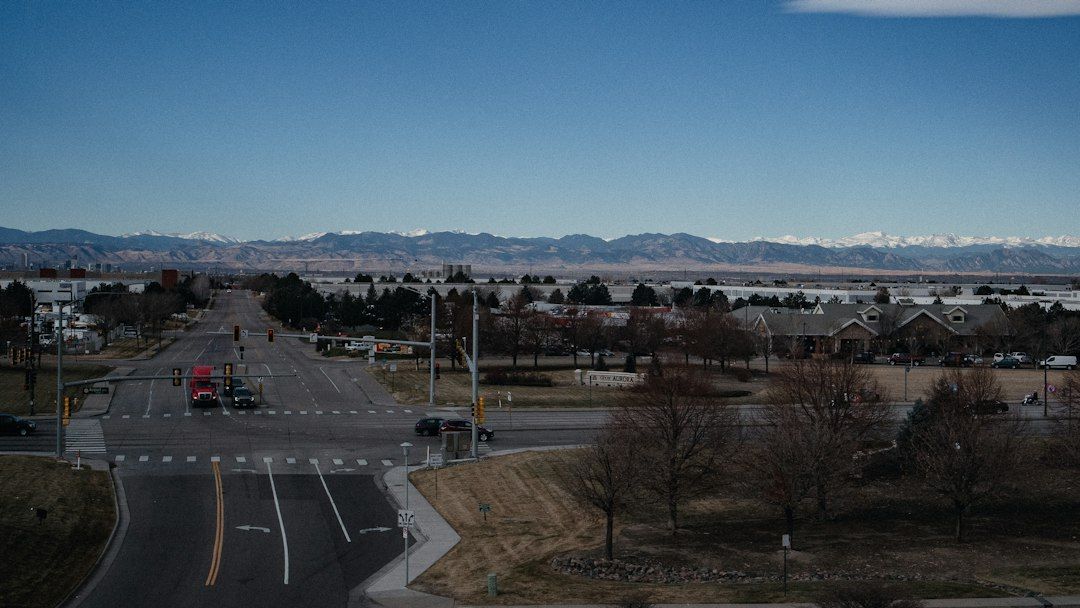
Navigating Car Insurance in Denver: A Guide to Local Coverage and Costs
Imagine cruising down I-25 on a crisp Tuesday morning. Traffic suddenly stops, you brake hard, but the driver behind you doesn’t. You are rear-ended. As you pull over to the shoulder and exchange information, you discover the other driver does not have insurance. Unfortunately, in Colorado, this is not just a hypothetical nightmare—it is a statistical probability.
With more than 18 years of industry experience, we at The Clement Agency have seen first-hand how devastating an uncovered accident can be. We have built our agency around a hands-on, educational approach because we believe that simply checking a box to stay legal is not enough. You need to understand what you are actually buying so that when the unexpected happens, you are protected.
Whether you commute downtown daily or only take your vehicle out for weekend trips to the mountains, finding the right auto insurance is essential. The landscape of Denver car insurance has evolved significantly over the past few years, with changing regulations, severe weather patterns, and shifting market dynamics making it more complex than ever. In this comprehensive guide, we will break down coverage options, local factors affecting your rates, and practical steps to ensure your policy is structured right the first time.
The Denver Driving Landscape: Why Rates Are Changing
If you have renewed your policy recently, you have likely noticed that the cost of car insurance in Denver is climbing. Many homeowners and drivers are asking why their premiums are going up even if they haven't had an accident or filed a claim.
The insurance industry has been navigating what professionals call a "hard market" throughout 2025 and 2026. A hard market occurs when insurers face an increase in the frequency and severity of claims, leading to higher premiums and stricter underwriting guidelines across the board. According to recent auto insurance pricing research, while rates for low-risk drivers have begun to stabilize slightly in late 2025, overall costs remain high due to lingering inflation and the advanced technology embedded in modern vehicles [1].
When assessing the reality of auto insurance in Denver, several localized factors contribute to these rising costs:
- Advanced Vehicle Repairs: Today’s cars are essentially computers on wheels. A minor fender bender used to mean replacing a piece of plastic and some paint. Now, it often involves recalibrating sensors, cameras, and advanced driver-assistance systems. The rising adoption of electric vehicles (EVs) in Colorado also means longer repair times and specialized labor, driving up claim payouts.
- Severe Weather Events: The Front Range is notorious for dramatic weather shifts. Spring and summer frequently bring catastrophic hailstorms that can cause billions of dollars in insured losses. When an entire neighborhood’s vehicles are severely damaged by hail in a single afternoon, the localized risk profile for comprehensive coverage surges.
- Auto Theft Rates: Over the past decade, Colorado has battled surging auto theft rates, particularly in the Denver metro area. While local task forces have been working to crack down on this issue, the sheer volume of stolen vehicles continues to put upward pressure on insurance premiums.
- Litigation and Medical Costs: Colorado is an at-fault state, meaning the driver responsible for an accident must cover the resulting damages. With medical costs and personal injury litigation payouts rising, insurance companies have to account for the possibility of massive medical settlements when pricing liability coverage. These variables mean that securing auto insurance in Denver requires more than just searching for the cheapest possible rate. It requires thoughtfully structuring your policy to withstand these very real local risks.
Unpacking Colorado’s Minimum Requirements (And Why They Aren’t Enough)
To legally drive in the state, you must meet certain baseline insurance requirements. However, there is a massive difference between being "street legal" and being properly protected.
When you purchase car insurance in Denver, Colorado, state law dictates that you carry minimum liability limits of 25/50/15. Let’s break down exactly what these numbers mean:
- $25,000 for bodily injury per person: This is the maximum amount your insurance will pay for the medical expenses of a single person you injure in an accident.
- $50,000 for bodily injury per accident: This is the total maximum payout for all injuries caused to others in a single accident, regardless of how many people are hurt.
- $15,000 for property damage per accident: This is the maximum your insurance will pay to repair or replace another person's vehicle or property if you are at fault. As seasoned professionals, we frequently have to explain to new clients just how dangerously low these limits are. Consider the reality of driving today: The average cost of a new vehicle easily exceeds $40,000. If you slide on an icy patch on I-70 and total a newer SUV, that $15,000 property damage limit will be exhausted almost instantly.
Once your policy limit is reached, you are personally responsible for the remaining balance. The injured party or their insurance company can come after your personal assets, your savings, and even your future wages to make up the difference. Minimum coverage meets legal requirements, but it often does not provide enough financial protection after a serious accident [2].
This is why, when reviewing auto insurance in Denver, Colorado, we strongly advise our clients to look beyond the state minimums. Elevating your liability coverage to 100/300/100 (or higher, depending on your net worth) is one of the most cost-effective ways to insulate your family’s financial future from a momentary lapse in judgment behind the wheel.
Crucial Coverage Options for Denver Drivers
While liability insurance pays others when you are at fault, it does absolutely nothing to protect your own vehicle or your own medical bills. To create a robust safety net, you need to understand the optional coverages that make a policy whole. Finding reliable car insurance in Denver, CO, shouldn't be a guessing game. Here are the components we consistently recommend for our local clients:
Uninsured and Underinsured Motorist (UM/UIM) Coverage
We mentioned earlier that uninsured drivers are a significant risk. According to the Insurance Information Institute, nearly 20% of drivers in Colorado are on the road without any insurance [3]. That means one in five cars you pass on your daily commute could leave you footing the bill if they cause a crash.
UM/UIM coverage steps in to cover your medical expenses, lost wages, and pain and suffering if you are hit by an uninsured driver, a hit-and-run driver, or someone whose liability limits are too low to cover your damages. We consider this coverage absolutely vital for Denver drivers.
Comprehensive Coverage: Your Shield Against Hail and Theft
Comprehensive coverage handles damages to your vehicle that are not caused by a collision with another car. This includes theft, vandalism, fire, falling objects, and—most importantly for Colorado residents—hail. If a severe summer storm rolls off the Rockies and leaves your car looking like a golf ball, comprehensive coverage pays to repair or replace it (minus your deductible). If your vehicle is financed or leased, your lender will require you to carry this coverage.
Collision Coverage
Whether it is sliding into a guardrail during a snowstorm or rear-ending someone in stop-and-go traffic on Colorado Boulevard, collision coverage pays to repair your own vehicle regardless of who was at fault. Like comprehensive, this is generally required if you have an auto loan, but it is highly recommended for anyone whose vehicle holds significant value.
Medical Payments (MedPay)
MedPay is an optional but highly valuable coverage that pays for necessary medical or funeral expenses for you and your passengers after an accident, regardless of who is to blame. It is particularly useful for covering health insurance deductibles, copays, or ambulance rides, ensuring that you aren’t paying out-of-pocket while waiting for a liability claim to settle.
Local Factors Influencing Auto Insurance in Denver
If you have ever moved from one side of the city to another, you might have noticed a change in your auto insurance premiums. The cost of car insurance in Denver depends on several hyper-local variables that insurers use to calculate risk.
ZIP Code and Traffic Density
Insurance carriers analyze claims data down to the ZIP code level. Areas with higher population density, such as central Denver, Aurora, and Lakewood, naturally see a higher frequency of accidents simply because there are more cars on the road. Navigating Denver auto insurance quotes means understanding that a move from a quiet suburb to a busy downtown apartment will likely impact your rate.
Commute Length and Usage
How you use your car matters. A driver who commutes 30 miles each way in heavy traffic is statistically more likely to be involved in an accident than someone who works from home and only drives to the grocery store. If your driving habits have changed recently—perhaps you have transitioned to remote work—it is worth reaching out to your agent to update your annual mileage, which could result in savings.
Specialty and Recreational Vehicles
Coloradans love their outdoor adventures. If you frequently tow a camper, haul ATVs, or take a boat out on the weekends, your standard auto policy might not fully cover those assets. This is where understanding Specialty Insurance in Colorado becomes essential. Ensuring your recreational vehicles have dedicated coverage prevents massive out-of-pocket losses if an accident happens on your way to the mountains.
Common Mistakes to Avoid When Buying Car Insurance in Denver, CO
When looking for auto insurance in Denver, CO, it is easy to make split-second decisions based purely on the monthly premium. However, cutting corners often costs far more in the long run. Here are a few common pitfalls we help our clients avoid:
1. Buying Strictly on Price It is tempting to choose the cheapest quote, especially in a tight economy. But cheap insurance often means stripped-down coverage. Call centers and online quote tools may quietly lower your liability limits or remove essential endorsements like rental car reimbursement just to show you a lower price. Always compare policies coverage-by-coverage, not just dollar-for-dollar.
2. Failing to Review Policies Annually Your life changes, and your insurance should evolve with it. Getting married, buying a home, adding a teen driver, or paying off a car loan are all life events that require a policy review. Set aside 15 minutes a year to sit down with your agent and ensure your coverage still aligns with your current assets and risk profile.
3. Dropping Coverage Too Soon Some drivers drop comprehensive and collision coverage the moment their vehicle is paid off to save money. While this can make sense for very old vehicles with little cash value, doing it too soon can be a costly mistake. If your paid-off vehicle is still worth $15,000 and it is totaled in a hailstorm, can you comfortably write a check to replace it? If the answer is no, keep the coverage.
How to Choose the Right Policy for Your Needs
As a seasoned insurance agency owner, my goal is never to just sell a policy—it is to build a protective wall around your financial well-being. Finding the perfect balance between affordability and proper protection requires a strategic approach.
Start by assessing your personal assets. If you own a home, have significant savings, or run a small business, you need higher liability limits to shield those assets from lawsuits. This is why we so frequently discuss personal insurance in Denver as a holistic package rather than just an auto policy in a vacuum.
Next, take advantage of bundling. Insurance carriers actively reward clients who bring them multiple lines of business. Combining your auto coverage with your home insurance or renters policy is often the most effective way to unlock substantial discounts while streamlining your billing and claims process.
Finally, align yourself with a local expert. Working with a local Fort Lupton insurance agency gives you access to an advisor who understands the specific risks of your area. We know the local repair shops, we understand the local weather patterns, and we are heavily invested in the communities we serve.
Getting It Right the First Time
At the end of the day, insurance is a promise. It is a promise that when life throws a curveball—whether that is a patch of black ice on the highway, a sudden hailstorm, or an uninsured driver running a red light—you will have the financial support you need to recover.
Navigating the complexities of auto insurance doesn’t have to be overwhelming. By understanding the gaps in state minimums, recognizing the value of comprehensive and UM/UIM coverages, and adjusting your policy to fit your specific lifestyle, you can hit the road with genuine peace of mind. Our mission is to ensure you understand exactly what you are paying for, identifying coverage gaps before a claim forces you to see them.
Protect What Matters Most with The Clement Agency
If you want your home, auto, or business coverage structured right the first time, reach out to The Clement Agency in Fort Lupton for a hands-on policy review and a clear explanation of what you’re actually buying. Call or request a quote today, and Shane Clement’s team will help you uncover hidden gaps, compare reliable options across multiple carriers, and put the right protection in place with total confidence. Let us handle the complexities of your insurance so you can focus on enjoying the drive. Contact our team today to get started.
By Shane Clement & Team